
UI & UX Design: Best Practices
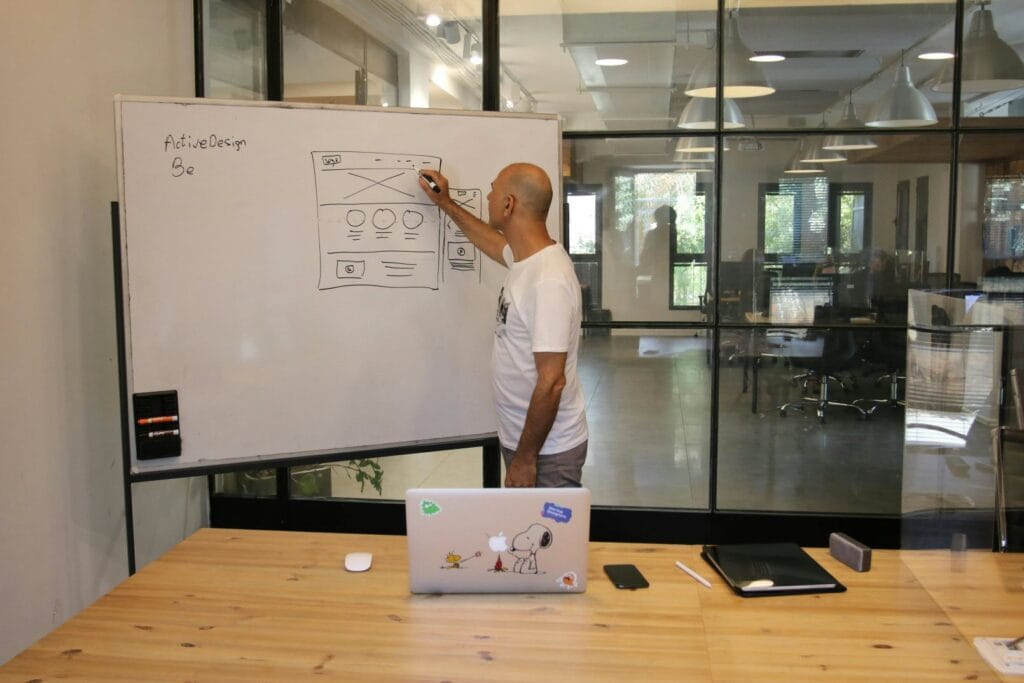
In the digital landscape, User Interface Design (UI) and User Experience Design (UX) play pivotal roles in creating engaging and functional digital products. Effective UI/UX design not only enhances user satisfaction but also drives business success by optimizing usability and accessibility. Here, we explore essential best practices in UI/ UX design that ensure seamless user interactions and elevate overall user experience. Understanding User Interface Design User Interface Design (UI) focuses on crafting visually appealing and intuitive interfaces that facilitate user interaction with digital products. A well-designed UI incorporates UI Design Patterns to ensure consistency and familiarity across different parts of the interface. Elements such as navigation menus, buttons, and icons are strategically placed to enhance usability and guide users effectively. The Importance of User Experience Design User Experience Design (UX) encompasses the holistic experience users have while interacting with a product or service. It involves understanding user behaviors, needs, and motivations to create meaningful interactions. UX Design Principles guide designers in creating intuitive workflows, reducing friction points, and optimizing the overall usability of the product. Key Best Practices in UI & UX Design User-Centered Design: Place users at the center of the design process. Conduct user research, gather feedback, and iterate designs based on user insights to create products that meet their needs and expectations. This approach ensures that the final product is not only functional but also resonates with its intended audience. Techniques such as user personas, user journey maps, and usability testing are critical components of User-Centered Design. Wireframing and Prototyping: Begin with wireframing to outline the structure and layout of the interface. Wireframes serve as a blueprint, allowing designers to plan the placement of elements without getting distracted by design details. Prototyping then allows for testing interactions and gathering early feedback, refining designs before final implementation. High-fidelity prototypes can simulate the end product, providing stakeholders with a tangible representation of the final design. Responsive Design: With the increasing use of mobile devices, responsive design ensures that interfaces adapt seamlessly to different screen sizes and devices, providing consistent user experiences across platforms. Responsive design involves flexible grids, layouts, and images that automatically adjust based on the screen size. This approach not only enhances user satisfaction but also improves SEO performance as search engines favor mobile-friendly websites. Accessibility: Design interfaces that are inclusive and accessible to all users, including those with disabilities. Incorporate UX Design Principles that prioritize clear navigation, readable text, and support for assistive technologies. Accessibility features such as keyboard navigation, screen reader compatibility, and color contrast adjustments are essential to ensure that all users can effectively interact with the product. Designing with accessibility in mind also aligns with legal requirements and demonstrates a commitment to social responsibility. Consistency: Maintain a consistent design language throughout the interface. Consistency in User Interface Design includes uniform typography, color schemes, button styles, and interaction patterns. This consistency helps users understand and predict how the interface will behave, reducing cognitive load and enhancing the overall user experience. Design systems and style guides are valuable tools in maintaining consistency across different parts of the product. Feedback and Interaction: Provide users with clear feedback during interactions. Whether it’s a button click, form submission, or loading process, users should receive immediate visual or auditory feedback to confirm their actions. Microinteractions, such as subtle animations and transition effects, can enhance the user experience by making interactions feel more intuitive and satisfying. Performance Optimization: Ensure that the interface performs efficiently across different devices and network conditions. Performance optimization includes minimizing load times, optimizing images, and reducing the number of HTTP requests. A fast and responsive interface contributes to a positive user experience and can significantly impact user retention and engagement rates. Data-Driven Design: Utilize data and analytics to inform design decisions. User behavior data, heatmaps, and A/B testing provide valuable insights into how users interact with the product. By analyzing this data, designers can identify pain points, optimize user flows, and make informed decisions that enhance the overall user experience. Implementing Effective UI/UX Design Services Effective UI/UX Design Services integrate these best practices to deliver exceptional digital experiences. Whether designing a new website, mobile app, or software platform, UI/UX Design Services focus on creating interfaces that are not only aesthetically pleasing but also functional and user-friendly. The Role of UI/UX Design Services Discovery and Research: The design process begins with a thorough understanding of the project goals, target audience, and competitive landscape. UI/UX Design Services providers like Meraki Design Studio conduct user research, market analysis, and stakeholder interviews to gather insights that inform the design strategy. Strategy and Planning: Based on the research findings, our UI/UX designers develop a strategic plan that outlines the project’s vision, objectives, and success metrics. This plan serves as a roadmap for the design process, ensuring alignment with the client’s goals and user needs. Design and Development: The design phase involves creating wireframes, prototypes, and high-fidelity mockups that visualize the interface. Designers collaborate closely with developers to ensure that the design is technically feasible and aligns with the project’s requirements. UI/UX Design Services providers prioritize iterative design, continuously refining and improving the interface based on user feedback and testing results. Testing and Validation: Usability testing and validation are critical components of the design process. UI/UX Design Services providers conduct user testing sessions to gather feedback on the prototype and identify areas for improvement. This iterative testing approach ensures that the final product is user-friendly and meets the project’s objectives. Implementation and Launch: Once the design is finalized, the implementation phase begins. UI/UX Design Services providers work closely with development teams to ensure that the design is accurately translated into a functional product. The launch phase includes final testing, quality assurance, and deployment to ensure a smooth release. Post-Launch Support: The design process doesn’t end with the launch. UI/UX Design Services providers offer ongoing support and maintenance to address any issues that arise and continuously improve the product based on user feedback and performance data. Conclusion In conclusion, mastering UI/UX design
The Importance Of Consistent Branding In Marketing

In the dynamic world of marketing, consistent branding plays a pivotal role in ensuring that a business stands out in a crowded marketplace. Establishing a brand identity that is recognizable and reliable helps build trust and loyalty among consumers. This blog will delve into the significance of consistent branding, and explore various branding benefits. What is Consistent Branding? Consistent branding refers to the practice of maintaining uniformity in all marketing materials and communications. This includes using the same logo, colors, fonts, tone of voice, and overall brand image across all platforms. Brand consistency ensures that consumers have the same experience and perception of the brand, regardless of where or how they encounter it. Why Is Consistent Branding Important? Builds Brand Recognition: One of the primary branding benefits is enhanced brand recognition. When customers repeatedly see the same branding elements, they start to recognize and remember the brand. For instance, Coca-Cola’s red and white color scheme and distinctive font make it instantly recognizable worldwide. Creates Trust and Loyalty: Consistency in branding and in marketing fosters trust. Consumers are more likely to trust a brand that presents a reliable and professional image. For example, Apple’s consistent branding across its products, packaging, and advertising reinforces its reputation for quality and innovation, encouraging customer loyalty. Reinforces Brand Identity: Maintaining brand consistency helps reinforce the brand identity. This means that the brand’s values, mission, and personality are clearly communicated to the audience. Nike, with its consistent use of the “Just Do It” slogan and the Swoosh logo, consistently conveys its identity as a brand that celebrates athleticism and perseverance. Supports Marketing Strategy: Consistent branding is a crucial component of an effective marketing strategy. It ensures that all marketing efforts are aligned and work together to achieve the brand’s objectives. This can enhance the overall impact of marketing campaigns and improve ROI. Enhances Corporate Branding: For large organizations, corporate branding involves creating a unified brand experience across all subsidiaries and products. Unilever, for instance, maintains consistent branding across its diverse product lines, ensuring that the parent company’s values and quality are reflected in every product. How To Achieve Consistent Branding? Develop Clear Brand Guidelines: Creating comprehensive brand guidelines is the first step towards achieving consistent branding. These guidelines should cover all aspects of the brand, including logo usage, color palettes, typography, tone of voice, and imagery. Having a well-documented guide ensures that everyone in the organization knows how to represent the brand correctly. Train Employees and Partners: Ensure that all employees and external partners understand the importance of branding and adhere to the brand guidelines. Regular training sessions and easy access to branding resources can help maintain brand consistency. Audit Marketing Materials: Regularly review all marketing materials to ensure they comply with the brand guidelines. This includes checking the website, social media profiles, advertisements, and printed materials. An audit helps identify and rectify any inconsistencies. Use Templates: Utilizing templates for common marketing materials can help maintain brand consistency. Templates for emails, presentations, and social media posts ensure that the branding elements are used correctly and consistently. Monitor and Adapt: Brand identity can evolve over time, so it’s essential to monitor the brand’s performance and adapt the guidelines as necessary. Staying responsive to market trends and customer feedback ensures that the brand remains relevant and consistent. Examples of Effective Branding Coca-Cola: As mentioned earlier, Coca-Cola’s consistent branding is a benchmark in the industry. Its logo, color scheme, and design elements have remained largely unchanged for decades, creating a strong and enduring brand image. Apple: Apple’s branding in marketing is meticulously consistent, from its sleek product designs to its minimalist packaging and advertising. This consistency reinforces Apple’s identity as a premium, innovative technology brand. McDonald’s: McDonald’s effective branding includes the golden arches, the red and yellow color scheme, and the consistent menu offerings worldwide. This brand consistency ensures that customers know what to expect, no matter where they are. Nike: Nike’s use of the Swoosh logo and the “Just Do It” tagline is a prime example of business branding. These elements are consistently used across all marketing channels, reinforcing the brand’s athletic and motivational identity. At Meraki Design Studio, we specialize in creating compelling branding and marketing strategies for a wide array of brands, ranging from the education industry to consumer goods and beauty. Here are some branding collaterals crafted by our team of experts for various brands: Tickle Right, India’s leading brain development programme École Intuit Lab, a French school of design & creative strategy Citizen Umbrellas, India’s largest umbrella and raincoat manufacturer Formosa Floors, specialists in SPC floors Flourish Planet, a global platform that elevates indigenous artisans Check out more of our work here. The Impact of Inconsistent Branding Inconsistent branding can have detrimental effects on a business. It can confuse customers, dilute the brand’s message, and erode trust. For instance, if a company frequently changes its logo or marketing style, it can appear unprofessional and unreliable. This lack of brand consistency can result in lost sales and weakened brand equity. Conclusion In conclusion, consistent branding is vital for creating a strong and recognizable brand identity. It enhances brand recognition, builds trust, supports an effective marketing strategy, and reinforces the brand image. By developing clear brand guidelines, training employees, auditing marketing materials, using templates, and monitoring the brand’s performance, businesses can achieve brand consistency and reap the numerous branding benefits. Timeless brands like Coca-Cola, Apple, McDonald’s, and Nike demonstrate the power of effective branding and the positive impact it can have on a company’s success. In contrast, inconsistent branding can confuse customers and damage brand equity. Therefore, businesses must prioritize consistent branding in their marketing and branding efforts to build a strong, trustworthy, and successful brand. SHARE Populer Blogs Sustainability in Branding: How to Go Green Without Sacrificing On Style September 16, 2024 Storytelling in Marketing: How to Connect with Your Audience September 11, 2024 Brand Loyalty in the Digital Age: Strategies to Keep Customers Engaged September 11, 2024 Crafting a Lasting Impression: The Art
From Brief To Brand: The Behind The Scenes Of A Design Process That Works

Behind every piece of work that feels effortless lies a process that is anything but accidental. A successful design outcome is rarely the result of a single moment of inspiration. It is shaped by structure, dialogue, iteration, and care. Let’s explore how a designing studio like Meraki can turn an early brief into a brand experience that truly delivers. At Meraki Design Studio, the focus is not just on what the final output looks like, but on how the journey unfolds. The process is where clarity is built, trust is earned, and ideas are given the space to evolve meaningfully. It Always Starts Before the Brief Most people assume a project begins when a brief is shared. In reality, a designing studio begins working even before that moment. Initial conversations help uncover what is being asked and what is often left unsaid. This early stage sets the tone for everything that follows. This is where creative thinking first comes into play. Asking the right questions allows a creative studio to understand context, constraints, and ambition. Without this step, even the most detailed brief can miss the mark. Turning Information Into Direction Once the brief is in place, the next step is translating information into intent. A strong designing studio does not treat a brief as a checklist. It treats it as a starting point for alignment. Through discussion and exploration, creative thinking helps identify the core problem to solve. This clarity ensures that digital designing decisions later on are purposeful rather than decorative. Structure Is What Keeps Ideas Honest Ideas flourish when they are supported by structure. At Meraki Design Studio, structure is not rigid. It is a framework that keeps ideas connected to goals. This approach allows creativity to stay playful while remaining accountable. A thoughtful creative studio builds systems that guide decision-making. These systems ensure that digital graphic design choices align with the larger narrative rather than existing in isolation. Exploration The exploration phase is often where clients feel the most uncertain. Multiple directions are tested, ideas are pushed, and possibilities are explored. An experienced designing studio knows how to navigate this phase without losing focus. Here, creative thinking is balanced with restraint. Exploration is encouraged, but always anchored to intent. This ensures that digital designing evolves with purpose instead of becoming scattered. Design Is a Conversation, Not a Reveal Great design is not revealed all at once. It is built through conversation. Feedback, reflection, and iteration shape the work over time. A collaborative creative studio invites dialogue rather than seeking approval. This approach strengthens digital graphic design outcomes. When feedback is integrated thoughtfully, the work gains depth and coherence rather than surface polish. Systems Make Digital Designing Scalable One of the most overlooked aspects of a design process is scalability. A designing studio that thinks long-term builds systems rather than one-off assets. These systems allow brands to grow without losing consistency. Through structured digital designing, visual language becomes adaptable. Typography, colour, and layout work together across platforms, ensuring that digital graphic design feels cohesive wherever it appears. The Role Of Creative Thinking In Decision-Making Not every idea makes it to the final output. Knowing what to keep and what to let go is a critical part of the process. This is where creative thinking becomes strategic. A strong creative studio evaluates ideas against purpose. Decisions are made with clarity, ensuring that the final work supports the brand rather than individual preferences. When The Brand Starts To Feel Real There is a moment in every project when things begin to click. Visuals align with voice. Structure supports expression. The brand starts to feel real rather than conceptual. For a designing studio, this moment is the result of process, not luck. Careful digital designing and considered digital graphic design choices come together to create something that feels both intentional and natural. Why Process Builds Trust Clients often judge a studio by the final output, but trust is built much earlier. Transparency, communication, and structure allow a creative studio to bring clients into the process without overwhelming them. At Meraki Design Studio, the aim is to make the journey as thoughtful as the outcome. This approach helps clients feel confident, involved, and supported throughout the project. Delivering More Than Design When a project is structured well, delivery feels seamless. The work does not just look good. It works. A designing studio that values process delivers clarity alongside creativity. By grounding creative thinking in structure and supporting it with intentional digital designing, a creative studio creates outcomes that last beyond launch day. The Quiet Power Of A Process That Works Behind every successful brand experience is a process that respects both creativity and structure. When these elements work together, design becomes dependable without becoming dull. This is how Meraki Design Studio approaches every project. From brief to brand, the focus remains on building work that feels one-of-a-kind. SHARE Populer Blogs From Pixels to Perception: Why UI/UX Design Is More Important Than Ever April 30, 2025 Is Your Brand Telling the Right Story? A Creative Studio’s Guide to Messaging That Works April 30, 2025 How to Measure the ROI of Your Design and Marketing Efforts December 17, 2024 Creative Campaigns That Drive Results: Inspiring Case Studies In Brand Success December 17, 2024 The Power of SEO: Best Practices to Boost Your Website’s Reach December 17, 2024 SHARE
Creativity Is Not Random: How Meraki Builds Creative Systems That Scale

Creativity is often spoken about as something instinctive or unpredictable. Many people associate it with sudden inspiration or raw talent. In reality, understanding the meaning of creativity goes far beyond flashes of ideas. For brands that want consistency and growth, creativity needs intention, structure, and direction. That is where creative thinking becomes truly effective. At its best, a creative studio does not rely on chance. It builds systems that allow ideas to grow, adapt, and scale. This belief sits at the heart of how Meraki Design Studio approaches creative work, not as randomness, but as a thoughtful and repeatable process. Rethinking The Creativity Meaning In A Business Context To understand why structure matters, it helps to revisit the creativity meaning itself. Creativity is not simply about originality. It is about solving problems in ways that feel relevant, human, and useful. Without a framework, even the most exciting idea can lose direction. This is where creative thinking plays a defining role. It allows ideas to move from imagination to application. When creativity is guided by intent, it becomes easier to align inspiration with outcomes. Why Structure Does Not Limit Creative Thinking There is a common fear that structure might restrict freedom. In practice, the opposite is true. Structure gives creative thinking a foundation. It reduces uncertainty and creates space for exploration within clear boundaries. A well-run creative studio understands that structure is not about rules. It is about clarity. When goals, processes, and roles are defined, creative energy is focused rather than scattered. Systems Are What Turn Ideas Into Digital Design Ideas become valuable when they can be expressed clearly and consistently. This is especially true in digital design, where every decision affects usability, perception, and performance. Systems allow designers to maintain coherence across platforms, campaigns, and touchpoints. A creative studio that builds systems can translate abstract ideas into tangible experiences. This approach ensures that digital design supports both aesthetic appeal and functional clarity. Structure Makes Design For Digital Marketing More Effective In marketing, creativity must do more than attract attention. It must guide behaviour. This is why design for digital marketing works best when it is rooted in structure. Clear frameworks help align visuals with messaging, channels, and audience intent. When creative thinking is paired with strategy, digital design becomes purposeful. Instead of isolated assets, brands get cohesive experiences that work together to support communication goals. How Meraki Design Studio Builds Creative Systems At Meraki Design Studio, creativity begins with understanding. Research, conversation, and observation shape the starting point. From there, systems are built to support exploration rather than constrain it. As a creative studio, Meraki uses structure to ensure ideas can evolve without losing clarity. This allows creative thinking to stay playful while remaining grounded in purpose. Scaling Creativity Without Losing Its Soul As brands grow, creativity often struggles to keep up. Revisiting the creativity meaning at this stage becomes essential. Creativity is not about constantly reinventing everything. It is about building frameworks that allow new ideas to fit naturally into an existing system. Strong digital design systems help brands scale without becoming inconsistent. Structure ensures that creativity remains recognisable, adaptable, and sustainable. Collaboration Thrives Inside Clear Creative Frameworks Structure also improves collaboration. When expectations and processes are clear, conversations become more productive. A creative studio can focus on ideas rather than interpretation. In projects focused on design for digital marketing, this clarity is especially valuable. Teams can align faster, feedback becomes more meaningful, and execution feels smoother. From Ideas To Outcomes Through Creative Thinking When structure is in place, creative thinking becomes more impactful. Ideas are evaluated against purpose rather than preference. Decisions feel intentional instead of reactive. Understanding the creativity meaning in this way helps brands move from chasing novelty to building relevance. Creativity becomes a tool for growth, not just expression. Why Structured Digital Design Delivers Better Results Well-structured digital design allows brands to adapt without starting from scratch. It supports consistency while leaving room for evolution. This balance is what makes creativity scalable. In design for digital marketing, structure ensures that creativity supports performance. Visuals, messaging, and user experience work together instead of competing for attention. Creativity That Grows With the Brand At Meraki Design Studio, structure is never about control. It is about care. Systems are built to support people, ideas, and outcomes over time. This approach allows creative thinking to mature while staying flexible. When brands embrace structure, they unlock the full creativity meaning. Creativity becomes dependable, adaptable, and deeply connected to purpose. Bringing Structure and Creativity Together Creativity does not lose its magic when it is organised. It gains strength. When creative thinking is supported by systems, it becomes repeatable without becoming repetitive. Through thoughtful digital design and intentional design for digital marketing,we, at Meraki Design Studio, show that creativity can be both expressive and effective. Not random, but responsive. Not chaotic, but alive. SHARE Populer Blogs From Pixels to Perception: Why UI/UX Design Is More Important Than Ever April 30, 2025 Is Your Brand Telling the Right Story? A Creative Studio’s Guide to Messaging That Works April 30, 2025 How to Measure the ROI of Your Design and Marketing Efforts December 17, 2024 Creative Campaigns That Drive Results: Inspiring Case Studies In Brand Success December 17, 2024 The Power of SEO: Best Practices to Boost Your Website’s Reach December 17, 2024 SHARE
The Unwritten Rules Of Working With a Creative Studio

Working with a creative studio often begins with excitement. There is the promise of new ideas, fresh perspectives, and work that feels different from what has come before. At the same time, many clients quietly wonder how the collaboration will actually work. What should be shared. What should be decided early. How much direction is too much or too little. While contracts and timelines are discussed openly, the real success of a project depends on a few unwritten rules. These unspoken understandings shape how ideas evolve and how satisfying the process feels for everyone involved. A Creative Studio Thinks Before It Designs A thoughtful creative studio does not begin with colours or layouts. It begins with listening. Understanding the context behind a brief allows creative thinking to take shape before any visual decisions are made. This early phase often determines whether the work feels intentional or merely assembled. When clients invite a creative studio into conversations early, ideas grow from clarity rather than assumptions. The result is work that reflects purpose instead of surface-level aesthetics. You Do Not Need To Have Everything Figured Out Many brands feel pressure to arrive with perfectly defined answers. In reality, a designing studio works best when challenges are shared honestly, even if the direction is still forming. Uncertainty is often the starting point for better ideas. Clear goals and constraints give creative thinking something real to respond to. This openness allows the creative studio to act as a collaborator, developing solutions instead of simply executing instructions. Trust The Process, Not Just The First Draft Design is an evolving conversation. A creative studio explores, tests, and refines before arriving at a final outcome. Early concepts are meant to provoke discussion and uncover insight, not serve as finished work. When trust exists, digital design gains depth and coherence. This space allows digital designers to explore possibilities and build solutions that hold together over time rather than rushing toward familiarity. Feedback Works Best When It Is Grounded In Purpose Feedback is most useful when it connects back to intent. Instead of focusing on what feels right or wrong, meaningful feedback asks whether the work supports the original goal. A designing studio thrives on clarity. Purpose-led feedback keeps creative thinking focused and collaborative, helping the creative studio move forward with confidence rather than hesitation. Digital Design Is About Systems, Not Screens It is easy to view design as individual outputs. Experienced digital designers think beyond individual screens and assets. They consider how elements interact across platforms, audiences, and moments. A well-versed creative studio approaches digital design as an ecosystem. This systems-based mindset creates consistency, flexibility, and work that adapts as brands grow and evolve. Time Is A Creative Ingredient Good design benefits from breathing room. Ideas need time to mature through reflection and iteration. When timelines allow for this, creative thinking becomes more intentional and grounded. A creative studio balances instinct with reasoning. Allowing time supports better digital design outcomes and a process that feels calm rather than rushed. Alignment Matters More Than Agreement Creative collaboration naturally includes differing opinions. What matters most is shared alignment on purpose and direction. A designing studio expects conversation and values thoughtful discussion. When alignment is present, creative thinking remains constructive even when opinions differ. This shared understanding allows the creative studio to maintain momentum without friction. Designers Solve Problems You May Not See Behind every design decision lies experience and intent. Digital designers consider hierarchy, usability, and behaviour alongside visual appeal. When supported, digital designers approach digital design holistically. This leads to work that feels effortless while quietly solving real problems beneath the surface. Creative Work Is Built On Relationships The most rewarding outcomes come from continuity. When a designing studio becomes familiar with a brand’s values and voice, decisions become intuitive and efficient. Over time, creative thinking deepens and digital design becomes more cohesive. This relationship-based approach creates work that feels consistent and considered. A Studio’s Personality Shapes The Work Every studio carries its own rhythm. At Meraki Design Studio, curiosity, warmth, and thoughtful problem-solving guide the process. This environment encourages open dialogue and exploration without pressure. Working with Meraki Design Studio means collaborating with a team that values understanding as much as execution. The work reflects intention, not urgency. Mutual Respect Is The Quiet Foundation Respect is the foundation of every successful collaboration. Respect for time, expertise, and perspective allows ideas to grow naturally. At Meraki Design Studio, respect shows up in careful listening, thoughtful questions, and work that feels human and grounded. This approach keeps creative thinking playful and purposeful. When Collaboration Works, The Outcome Belongs to Everyone The best projects feel like shared wins. A creative studio and client move forward together, learning from the process and building confidence along the way. This shared ownership turns projects into partnerships. It is what allows our studio, Meraki Design Studio to create work that feels meaningful, lasting, and memorable. SHARE Populer Blogs From Pixels to Perception: Why UI/UX Design Is More Important Than Ever April 30, 2025 Is Your Brand Telling the Right Story? A Creative Studio’s Guide to Messaging That Works April 30, 2025 How to Measure the ROI of Your Design and Marketing Efforts December 17, 2024 Creative Campaigns That Drive Results: Inspiring Case Studies In Brand Success December 17, 2024 The Power of SEO: Best Practices to Boost Your Website’s Reach December 17, 2024 SHARE
How to Overcome Analysis Paralysis: Effective Decision-Making Strategies

In today’s fast-paced world, analysis paralysis can severely hinder your progress and productivity. Understanding what analysis paralysis is and implementing effective strategies can significantly enhance your decision-making skills and overall efficiency. What is Analysis Paralysis? Analysis paralysis refers to a state where an individual is unable to make a decision due to overthinking and excessive analysis of available options. This mental block often leads to indecision, missed opportunities, and increased stress. People experiencing analysis paralysis may find themselves overwhelmed by evaluating every possible scenario, resulting in difficulty moving forward. Examples of Analysis Paralysis Business Decisions: In a business context, a team might face analysis paralysis when choosing between various strategies. The more they analyze each option, the more overwhelmed they become, leading to delays in execution and missed opportunities. Personal Choices: On a personal level, analysis paralysis might occur when choosing a new phone. By obsessively comparing features, reviews, and prices, a consumer can become paralyzed by indecision and struggle to make a final choice. Career Moves: For individuals considering a career change, analysis paralysis can arise from evaluating every potential job and industry. This indecision can stall career progress and prevent timely career development. Tips to Overcome Analysis Paralysis Set Clear Goals and PrioritiesEstablishing clear goals and priorities is a key strategy to overcome analysis paralysis. When you have a defined set of objectives, decision-making becomes more focused and manageable. Having clear priorities simplifies decision-making and reduces the overwhelming feeling of having too many options. Limit Your OptionsToo many choices can exacerbate analysis paralysis. Narrowing down your options helps streamline the decision-making process. For example, if you’re deciding on a marketing strategy, focus on the top three approaches that align with your goals instead of analyzing every possible option. Set a Time Limit for DecisionsImplementing a time limit for decision-making can help combat analysis paralysis. Allocate a specific timeframe, such as 30 minutes, to evaluate a decision. This approach encourages faster decision-making and helps prevent the tendency to overthink. Trust Your InstinctsOverthinking often contributes to analysis paralysis by causing you to disregard your instincts. Trusting your gut feelings can help simplify decision-making. If your initial instincts are supported by the data, it’s often best to go with your intuition rather than getting bogged down by excessive analysis. Break Down the DecisionBreaking a large decision into smaller, more manageable parts can help overcome analysis paralysis. For example, if you’re working on a new project, divide the decision into categories such as design, budget, and timeline. This segmented approach reduces the complexity of the decision-making process. Seek External PerspectivesConsulting others can provide valuable insights and assist in overcoming analysis paralysis. Engaging with colleagues, mentors, or friends can offer new perspectives and advice, making it easier to make informed decisions without getting stuck in overthinking. Take Action and EvaluateSometimes, the best way to address analysis paralysis is to take action and evaluate the outcomes. Make a decision, implement it, and review the results. This proactive approach can alleviate the fear of making the wrong choice and help you learn from the experience. Conclusion Analysis paralysis can be a significant barrier to productivity and progress,but by employing effective decision-making techniques and strategies for better decision-making, you can overcome it. Setting clear goals, limiting options, trusting your instincts, and seeking external perspectives are crucial steps to combat analysis paralysis and improve your decision-making skills. Embrace these techniques to move forward with confidence and clarity. SHARE Populer Blogs Sustainability in Branding: How to Go Green Without Sacrificing On Style September 16, 2024 Storytelling in Marketing: How to Connect with Your Audience September 11, 2024 Brand Loyalty in the Digital Age: Strategies to Keep Customers Engaged September 11, 2024 Crafting a Lasting Impression: The Art of Brand Redesign September 11, 2024 The Power of Strategic Creativity: How Creativity Can Transform Your Marketing Strategy August 12, 2024 SHARE
How To Use Video Marketing To Boost Engagement

In a digital world overflowing with content, video marketing stands out as a powerful medium to capture attention and drive engagement. For brands seeking to create meaningful connections with their audience, video offers a dynamic and versatile approach. At Meraki Design Studio, we understand the nuances of crafting compelling video content. Here’s a guide to help you harness the full potential of video marketing to boost engagement. Craft a Unique Brand Story One of the most effective ways to engage your audience is through storytelling. Rather than simply promoting your products or services, focus on sharing your brand’s story. Highlight your journey, core values, and the unique aspects that set you apart from competitors. Authentic and relatable stories create an emotional connection, making your brand more memorable. Experiment with Different Formats Don’t limit yourself to traditional video formats. Experiment with various types of video content such as animated explainer videos, time-lapse videos, 360-degree videos, and even interactive videos. Each format offers a unique way to present your message and can captivate different segments of your audience. Create Snackable Content In today’s fast-paced world, attention spans are shorter than ever. Create “snackable” video content that delivers your message quickly and effectively. Short, engaging videos of 15-30 seconds can be incredibly impactful, especially on social media platforms where users scroll rapidly. Incorporate User-Generated Content Encourage your audience to create and share their own videos featuring your products or services. User-generated content not only provides social proof but also fosters a sense of community around your brand. Feature these videos on your social media channels or website to show appreciation and build loyalty. Leverage the Power of Influencers Collaborate with influencers who align with your brand values and have a genuine connection with their followers. Influencers can create authentic content that resonates with their audience, driving higher engagement and expanding your reach. Authenticity is key, so choose influencers who truly believe in your brand. Utilize Behind-the-Scenes Footage Behind-the-scenes videos offer a glimpse into the inner workings of your brand. Showcasing the people, processes, and passion behind your products can humanize your brand and build trust. These videos give your audience a sense of exclusivity and deeper connection. Engage with Interactive Videos Interactive videos allow viewers to engage directly with the content. Incorporate elements like clickable links, quizzes, and branching scenarios to create an immersive experience. Interactive videos not only boost engagement but also provide valuable insights into viewer preferences and behaviors. For example – Imagine a video campaign for a skincare brand where the viewer can choose their skin type at the start. Depending on their choice, the video branches into different segments tailored to their specific skincare needs, recommending products and tips. This not only makes the content more relevant but also increases the likelihood of viewer engagement and conversion. Emphasize Sound and Music While visuals are crucial, don’t underestimate the power of sound and music in your videos. An engaging soundtrack or well-chosen sound effects can enhance the emotional impact of your content. Ensure your audio elements complement the visual narrative and resonate with your audience. Explore Shoppable Videos Shoppable videos enable viewers to purchase products directly from the video itself. This seamless integration of content and commerce simplifies the purchasing process, making it more convenient for your audience. Shoppable videos can significantly boost conversions and engagement. Track and Optimize Performance Use advanced analytics to track the performance of your video content. Beyond basic metrics like views and likes, analyze viewer behavior, drop-off points, and engagement patterns. Use these insights to optimize your future videos, continually refining your strategy for better results. Conclusion Video marketing offers endless possibilities to boost engagement and create lasting impressions. By crafting unique stories, experimenting with formats, and leveraging advanced techniques, you can elevate your brand and connect with your audience on a deeper level. At Meraki Design Studio, we provide comprehensive video services from pre-production to post-production. To see our work and discover how we can help your brand create an impact, feel free to get in touch. Let’s bring your vision to life with one-of-a-kind video content! SHARE Populer Blogs Sustainability in Branding: How to Go Green Without Sacrificing On Style September 16, 2024 Storytelling in Marketing: How to Connect with Your Audience September 11, 2024 Brand Loyalty in the Digital Age: Strategies to Keep Customers Engaged September 11, 2024 Crafting a Lasting Impression: The Art of Brand Redesign September 11, 2024 The Power of Strategic Creativity: How Creativity Can Transform Your Marketing Strategy August 12, 2024 SHARE