
From Pixels to Perception: Why UI/UX Design Is More Important Than Ever

In today’s digital world, first impressions happen in milliseconds — and they almost always happen on a screen.That’s why UI/UX design services aren’t just a “nice to have” anymore — they are the foundation of perception, trust, and branding. At Meraki Design Studio, we believe that user interface design and user experience design together have the power to make or break a business. In fact, a beautifully coded app or website will still fail if users feel confused, frustrated, or disconnected. In 2025, pixels = perception.And your perception = your brand. The True Power of UI/UX Design Imagine opening a stunning fashion website… only to struggle to find the ‘Shop’ button.Or using a food delivery app that freezes at checkout. It doesn’t matter how pretty your website looks. If the user experience design isn’t intuitive, you’ve lost the customer — possibly forever. According to a recent 2024 Forrester Research study, 88% of users are less likely to return to a website after a bad experience.And 70% of online businesses that fail do so because of poor usability. This is where high-quality UI/UX design services become the ultimate competitive advantage.At Meraki, a full-service design and marketing studio, we specialize in bridging the gap between beautiful user interface design and seamless user experience design, crafting digital experiences that truly resonate. Pixels Are the New First Impressions Your audience forms an opinion about your brand within 0.05 seconds of landing on your website or app.Yes, you read that right — 50 milliseconds. In that blink, your branding, web design, and UI/UX design all need to whisper (or shout) the same thing: “We are trustworthy. We are professional. We understand you.” The difference between a brand that feels premium and one that feels amateur often comes down to the micro-interactions — the hover effects, the smooth scrolling, the intuitive navigation — all hallmarks of good UI/UX design principles. Real World Examples: Modern UI/UX Excellence Airbnb’s 2024 Redesign:Airbnb recently rolled out a major UI overhaul, focusing on simplifying its booking journey with smarter UI design patterns. They reduced the number of clicks needed to book a stay, making it possible in under 60 seconds.Result?Booking rates jumped by 17% globally. Duolingo’s Micro-Interactions:The language learning app used responsive design and playful UI animations to keep users engaged. Every tiny interaction — like the happy owl celebrating milestones — reinforces positive emotions, improving retention by 12% year-over-year. Both brands invested heavily in professional UI/UX design services — and it paid off handsomely. Key Elements That Define Great UI/UX Today At Meraki, when we approach web design and app design, we focus on these essentials: 1. Simplicity Over Flashiness A cluttered interface may look “cool” but often confuses users.Effective user interface design prioritizes clarity, guiding users with visual hierarchy and whitespace. 2. Mobile-First and Responsive Design With over 70% of global web traffic coming from mobile devices, responsive design is no longer optional.Your experience must feel seamless across desktops, tablets, and phones — or risk losing users. 3. Speed Is a Story Slow-loading websites don’t just hurt SEO — they hurt perception. Fast, smooth transitions signal a brand that is efficient and professional, an essential part of UX design principles today. 4. Emotional Connection Through Micro-Interactions Tiny visual feedback — a color shift, a loading animation, a swipe effect — creates emotional moments that stick. UI design patterns like these subtly boost brand love and loyalty. Why UI/UX Is Now a Branding Essential (Not Just Tech) Once upon a time, branding was mostly about logos, colors, and taglines.Today, branding lives in every pixel your user touches. Good UI/UX design services don’t just make products usable — they make brands memorable. Case Study: In 2025, Notion (the productivity app) expanded its global user base by emphasizing minimalistic, hyper-intuitive user interface design.They didn’t shout their brand; they lived it in every interaction — from onboarding tutorials to button placements.Result? Notion’s brand perception as a “beautifully simple productivity tool” became their biggest selling point. The Cost of Ignoring UI/UX Today Brands that ignore UI/UX design services often pay a heavy price: Higher bounce rates Lower conversion rates Negative reviews on app stores Tarnished brand perception Declining customer loyalty In contrast, companies that prioritize responsive design, intuitive UI design patterns, and clear UX design principles experience measurable business benefits — more sales, more referrals, and stronger brand loyalty. How Meraki Design Studio Elevates UI/UX At Meraki Design Studio, we don’t just make pretty screens.We design digital experiences that align user interface design, user experience design, responsive design, and branding into a cohesive, powerful whole. Our team of expert designers and strategists specialize in: Deep user research to guide design decisions Crafting seamless, emotional user journeys Implementing smart UI design patterns based on proven UX design principles Creating flexible responsive design for a world on-the-go Integrating every touchpoint into a holistic branding experience Because in today’s competitive digital landscape, your pixels must tell a powerful, consistent story.Every time a user taps, scrolls, clicks, or swipes — they’re judging you.Their perception of your brand is shaped in every moment of interaction. Investing in high-quality UI/UX design services is not just investing in usability.It’s investing in trust, loyalty, and branding that lasts. Your brand is only as good as the experience it delivers.Let Meraki Design Studio help you craft digital experiences that leave a lasting impression — one pixel, one swipe, one customer at a time. SHARE Populer Blogs Is Your Brand Telling the Right Story? A Creative Studio’s Guide to Messaging That Works April 30, 2025 How to Measure the ROI of Your Design and Marketing Efforts December 17, 2024 Creative Campaigns That Drive Results: Inspiring Case Studies In Brand Success December 17, 2024 The Power of SEO: Best Practices to Boost Your Website’s Reach December 17, 2024 Sustainability in Branding: How to Go Green Without Sacrificing On Style September 16, 2024 SHARE
Is Your Brand Telling the Right Story? A Creative Studio’s Guide to Messaging That Works

In 2025, brands don’t just sell products — they sell stories. Every thriving business today, from rising startups to global giants, has one thing in common: a brand storytelling strategy that feels real, relatable, and unforgettable. But here’s the catch — not every story works. Some brands struggle because their messaging feels disconnected, outdated, or just plain confusing. At Meraki Design Studio, a leading creative agency and branding agency, we believe that storytelling isn’t just an art — it’s a business strategy. The right story can shape perception, build loyalty, and drive action. Is your brand telling the right story? Let’s find out. The Power of Brand Storytelling Today Picture this: You’re scrolling through Instagram. You pause not for a flashy ad, but for a short video where a small skincare brand shares their founder’s personal struggle with sensitive skin. It feels real. It feels human. That’s brand storytelling done right. According to a 2024 report by HubSpot, brands that focus on brand storytelling see 22% higher customer loyalty rates and 31% faster revenue growth compared to brands that focus only on products. Your audience doesn’t just want to know what you sell — they want to know why you exist. That’s where a professional design and marketing studio like Meraki steps in: crafting narratives that turn casual browsers into lifelong fans. Signs Your Brand Story Needs a Refresh Is your messaging doing its job? Here’s what happens when a story isn’t working: Customers can’t quickly explain what you do Your marketing campaigns feel disjointed Your brand voice sounds different on different platforms People recognize your product, but not your brand values Your engagement and conversion rates are stagnant If you checked even two of these, it’s time to revisit your brand messaging. Crafting a Story That Works: The Creative Studio Way At Meraki, a trusted creative agency and branding agency, we follow a proven storytelling framework: 1. Define Your Brand’s Core Purpose Before you design, post, or advertise, answer: Why do you exist? Whose life are you improving? What values are non-negotiable? A great design and marketing studio helps uncover these golden truths — the real emotional hooks. Case Study: Take Glossier — a beauty brand that skyrocketed to global fame. Instead of marketing cosmetics, Glossier marketed self-expression. Their brand messaging (“Skin first. Makeup second.”) struck a chord, making customers feel seen and heard. 2. Understand Your Audience’s Inner World A good story meets people where they are. Your branding agency must know your audience’s fears, dreams, and aspirations — not just their age and location. When your brand narrative mirrors your audience’s own story, magic happens. Case Study: Oatly, the Swedish oat milk company, didn’t just sell plant-based milk. They created cheeky, anti-corporate ads because they knew their health-conscious, eco-friendly audience didn’t trust “big brands.” Result? Oatly became a cult favorite globally. 3. Create Consistent, Multi-Channel Messaging Your story shouldn’t change when a customer moves from Instagram to your website to your packaging. Consistency builds trust. A world-class design and marketing studio ensures that your visual identity, tone of voice, and storytelling align everywhere. 4. Focus on Emotions, Not Just Information Humans buy based on emotion and justify with logic later. Your brand messaging should spark feelings — pride, nostalgia, excitement, empowerment. A professional creative agency ensures you lead with emotion and follow with proof. Real-Life Examples of Storytelling That Works (2024-2025) Patagonia’s “Home Planet Fund” Campaign (2024): Rather than just highlighting sustainable gear, Patagonia launched a $50 million fund supporting environmental groups. Their message? “We’re in business to save our home planet.” Customers loved the authenticity — and sales soared. Liquid Death’s Unorthodox Storytelling: This canned water brand exploded by telling a ridiculous story — “murder your thirst” — with heavy metal imagery. It felt fresh, unexpected, and perfectly resonated with audiences tired of polished, boring marketing. Both brands worked with top-notch branding agencies and design and marketing studios that understood modern storytelling psychology. How to Begin Your Brand Storytelling Journey If you’re serious about standing out in a crowded market, it’s time to: Audit Your Current Messaging: See where your story breaks down. Partner with a Creative Agency: Choose experts who specialize in aligning design, words, and strategy. Invest in Visual and Verbal Identity: Your design and copy need to tell the same story. Tell Real Stories: Share behind-the-scenes moments, customer testimonials, founder journeys. Update Regularly: Your brand evolves, and your story should too. Remember, storytelling isn’t a one-time project. It’s an ongoing conversation between you and your audience. Why Choose Meraki Design Studio? At Meraki Design Studio, we don’t just create visuals. We dive deep into your brand’s soul, crafting cohesive narratives across design, marketing, and content. As a full-service branding agency and design and marketing studio, we bring together strategy, storytelling, and creativity to help brands win hearts globally. Whether you’re a startup needing foundational brand messaging or an established brand seeking a storytelling refresh, we’re here to help you tell a story worth remembering. Final Thoughts The world doesn’t need another brand. It needs your brand — telling a story that matters. Partner with a passionate creative agency like Meraki, and let’s craft a brand narrative that moves, excites, and connects — not just today, but for years to come. SHARE Populer Blogs How to Measure the ROI of Your Design and Marketing Efforts December 17, 2024 Creative Campaigns That Drive Results: Inspiring Case Studies In Brand Success December 17, 2024 The Power of SEO: Best Practices to Boost Your Website’s Reach December 17, 2024 Sustainability in Branding: How to Go Green Without Sacrificing On Style September 16, 2024 Storytelling in Marketing: How to Connect with Your Audience September 11, 2024 SHARE
How to Measure the ROI of Your Design and Marketing Efforts

In today’s competitive digital landscape, businesses must continually evaluate the effectiveness of their strategies, especially when it comes to design and marketing. However, understanding the true value of these efforts can be tricky without a clear framework for measuring success. This is where measuring the ROI in design and marketing ROI becomes essential. But how do you actually measure the ROI in marketing and design ROI? What metrics matter the most, and which tools can you use to track these important aspects of your business? In this blog post, we will dive into the key methods, tools, and techniques for measuring design investment returns, exploring marketing performance tracking, and setting the right Key Performance Indicators (KPIs) for design and marketing. This comprehensive guide will equip you with the knowledge to assess the real impact of your design and marketing efforts. What is ROI in Design and Marketing? ROI in design refers to the return on investment generated by the design elements of your business, such as your website, branding, user interface, and product packaging. It’s a way of evaluating how design efforts contribute to a company’s overall profitability. On the other hand, ROI in marketing evaluates the return from your marketing efforts, including ad campaigns, email marketing, social media promotions, and influencer partnerships. Both design and marketing play critical roles in business growth, but measuring their combined effect requires a tailored approach. Why Measuring ROI is Important Measuring marketing effectiveness and design ROI allows you to understand how well your resources are being utilized. Whether it’s a new logo design or a targeted ad campaign, understanding the return on these efforts helps you optimize future strategies, justify budgets, and prove the value of both design and marketing to stakeholders. For businesses looking to scale, it’s especially important to track how their business growth and marketing ROI are connected. The impact of a successful design or marketing campaign can ripple through sales, customer retention, and brand loyalty, so tracking this return is essential for long-term growth. Key Metrics for Measuring ROI in Design and Marketing To measure ROI in design and marketing ROI effectively, you need to define and track specific metrics that align with your business objectives. Let’s explore the key metrics for both. 1. Sales Metrics One of the most direct ways to measure design ROI and marketing ROI is through sales. When you launch a new marketing campaign or redesign your website, monitoring how these changes affect your revenue is crucial. For example, if your company revamps its website with a more user-friendly design, you should track any increase in conversions (e.g., purchases, sign-ups, etc.) that directly result from the new design. Similarly, when a marketing performance tracking tool shows a surge in sales following a specific marketing campaign, you can confidently measure the return from that effort. 2. Customer Acquisition Cost (CAC) Customer acquisition cost is another important metric to track. It’s a measure of how much it costs to acquire a new customer through marketing campaigns or design-related efforts like improving your user experience. A lower CAC often indicates that your design and marketing performance are doing well and contributing effectively to growth. By tracking CAC over time, you can assess how your investment in both design ROI and marketing is paying off and whether certain tactics, like rebranding or running a digital ad campaign, lead to lower customer acquisition costs. 3. Lead Generation and Conversion Rates For many businesses, leads are the lifeblood of growth. Whether you’re tracking the effectiveness of a new landing page design or the performance of a marketing funnel, analyzing how many leads turn into customers is key to evaluating your marketing ROI. Measuring the effectiveness of design in lead generation can be done by tracking how design elements such as calls-to-action (CTAs), form designs, or even visual hierarchy influence conversion rates. 4. Brand Awareness While more difficult to measure directly, brand awareness is still an important indicator of both design ROI and marketing ROI. Marketing activities such as social media campaigns, sponsored content, or influencer collaborations are designed to increase awareness about your brand. Similarly, design investment returns can be seen in how well your branding resonates with customers. To measure this, you can track metrics like social media impressions, website traffic, and mentions of your brand online. Tools like Google Analytics and social media analytics can help you track how awareness is growing as a result of marketing and design. 5. Customer Retention and Lifetime Value (LTV) Both design and marketing performance contribute to customer retention. A great website design, excellent user experience (UX), and personalized marketing efforts can increase the chances of a customer returning. By tracking customer lifetime value (LTV), you can see how your design choices (like a loyalty program or personalized product recommendations) and marketing efforts (like email campaigns) impact repeat business. Tools for Measuring ROI Now that we’ve discussed the key metrics, let’s explore some ROI measurement tools that can help you track and evaluate your marketing performance tracking efforts. 1. Google Analytics Google Analytics is one of the most powerful tools for measuring marketing ROI. It provides detailed insights into website traffic, conversion rates, user behavior, and sales. With marketing performance tracking capabilities, it can track the effectiveness of different marketing campaigns and tell you which are generating the most revenue. 2. CRM Software Customer relationship management (CRM) software like HubSpot, Salesforce, and Zoho is essential for tracking the success of your marketing campaigns and design changes. CRMs allow you to track leads, conversions, and customer interactions, which is crucial for measuring marketing ROI and design ROI. By connecting your CRM to your marketing efforts, you can get a holistic view of how both design and marketing strategies are driving business growth. 3. Heatmaps and User Testing For measuring the effectiveness of design, tools like Hotjar and Crazy Egg provide heatmaps and session recordings, allowing you to understand user behavior on your website. By seeing where users click, scroll, and hover, you
Creative Campaigns That Drive Results: Inspiring Case Studies In Brand Success

Creative marketing campaigns today are continually evolving to resonate with audiences in unique, meaningful ways. By examining recent campaign case studies, we can discover strategies that have driven impressive results for brands. Below are several successful marketing campaigns from recent years that stand out due to their innovative approaches, achieving real impact in brand awareness, engagement, and loyalty. 1. Dove’s #DetoxYourFeed Campaign Dove has long been recognized for its effective brand campaigns focusing on body positivity and self-esteem. In 2023, Dove’s #DetoxYourFeed campaign tackled a fresh issue: the damaging beauty advice young girls often see online. Using deepfake technology, Dove created videos in which mothers appear to give harmful advice to their daughters—startling both the daughters and mothers involved. This innovative advertising campaign highlighted the toxic messaging children are exposed to on social media. The campaign gained substantial traction online, encouraging families to re-evaluate the content consumed by their children, reaching millions through viral video and social media engagement. This approach is a prime example of design and marketing strategies that bring social awareness and create genuine impact. 2. McDonald’s #RaiseYourArches In early 2023, McDonald’s launched a playful campaign, #RaiseYourArches, which didn’t even feature its food. Instead, it encouraged people to raise their eyebrows as a signal to friends that it was time for McDonald’s. This creative campaign showcased how McDonald’s leveraged brand identity (the arches) in a refreshing way. The campaign included short videos, social media posts, and augmented reality filters, allowing users to engage directly with the content on platforms like Snapchat. The campaign achieved massive recognition, as 98% of test viewers associated the eyebrow gesture with McDonald’s by the end of the short video. By avoiding traditional product placement, McDonald’s created one of the most impactful marketing campaigns that has generated both social buzz and brand loyalty. 3. Coca-Cola’s Y3000 AI-Powered Campaign Coca-Cola took a futuristic approach with its Y3000 campaign, utilizing AI to create a new, “future-inspired” limited-edition drink. The campaign encouraged consumers to envision how Coca-Cola might look and taste in the year 3000. Using an AI Cam, users could take photos and transform them into futuristic imagery. Coca-Cola also showcased the Y3000 drink in Las Vegas’ new Sphere, immersing viewers in a digital future-themed experience. This successful marketing campaign tapped into the novelty of AI, engaging a younger, tech-savvy audience and achieving high levels of brand awareness by blending innovative advertising campaigns with experiential marketing. 4. Ryanair’s Roasts Known for its cheeky personality on social media, Ryanair adopted a bolder voice on TikTok & Twitter, where it engages audiences with humorous roasts and memes. By turning its “no-frills” reputation into a humorous brand attribute, Ryanair has made itself relatable to younger audiences who appreciate authenticity and humor in brand awareness campaigns. This strategy has not only driven high engagement but has also helped redefine Ryanair’s brand perception among Gen Z users. The campaign underscores the importance of aligning design and marketing strategies with audience preferences to build loyalty. 5. Nike’s Play New Campaign Nike’s “Play New” campaign redefined the brand’s messaging by encouraging people to embrace sports in their own way, regardless of skill level. The campaign resonated with a diverse audience by focusing less on elite athleticism and more on the simple joy of movement. By featuring individuals trying new sports in lighthearted, sometimes humorous ways, Nike’s creative campaign encouraged inclusivity and celebrated the joy of trying something new, whether or not you succeed. This effective brand campaign became a case study in marketing success by fostering an emotional connection and inclusivity, reinforcing Nike’s brand as supportive and accessible to everyone. 6. LEGO’s A-Z of Awesome LGBTQIA+ Campaign To celebrate Pride Month, LEGO launched the “A-Z of Awesome” campaign, a collaborative effort where LGBTQIA+ builders created artwork representing various LGBTQIA+ identities. This initiative not only engaged a diverse group of customers but also underscored LEGO’s commitment to inclusivity. The campaign gained widespread media coverage and support from the LGBTQIA+ community, contributing to its success. LEGO’s innovative advertising campaign demonstrated the power of representation and allowed fans to see themselves reflected in the brand, making it a brand awareness campaign that strengthened community ties and fostered greater inclusivity. Key Takeaways These creative campaigns showcase diverse approaches, but they share several key elements of success: Authentic Engagement: Brands that truly connect with audiences focus on relatability and honesty. Ryanair’s TikTok humor and Dove’s social awareness campaigns both leverage these principles. Emotional Storytelling: Whether through humor, nostalgia, or social cause, emotional appeal is a powerful tool in impactful marketing campaigns.McDonald’s memorable use of non-verbal cues reflect this. Innovation with Technology: Brands like Coca-Cola and Nike use technology creatively to interact with audiences in immersive ways, while AI and deepfake technology give campaigns a modern edge. Purpose-Driven Marketing: Brands that align campaigns with social values, such as Dove’s focus on positive body image and LEGO’s celebration of inclusivity, resonate deeply with today’s consumers, who prefer to support purpose-driven brands. Each of these campaigns exemplifies how design and marketing strategies can be crafted to drive performance, increase brand loyalty, and ultimately deliver powerful results. For marketers seeking to create performance-driven marketing initiatives, learning from these examples provides actionable insights into blending creativity with impact. The continued success of these brand awareness campaigns demonstrates that understanding your audience, embracing innovation, and delivering authentic messages are essential to building memorable, successful campaigns in today’s competitive landscape. Incorporating elements like social causes, humor, or futuristic themes can make campaigns not only effective brand campaigns but also case studies for future marketers aiming to craft the next big success story. SHARE Populer Blogs How to Measure the ROI of Your Design and Marketing Efforts December 17, 2024 The Power of SEO: Best Practices to Boost Your Website’s Reach December 17, 2024 Sustainability in Branding: How to Go Green Without Sacrificing On Style September 16, 2024 Storytelling in Marketing: How to Connect with Your Audience September 11, 2024 Brand Loyalty in the Digital Age: Strategies to Keep Customers Engaged September 11, 2024
The Power of SEO: Best Practices to Boost Your Website’s Reach

In the digital world, staying visible to your target audience is essential. The Power of SEO cannot be overstated—it’s the driving force behind high-performing websites and effective content strategies. In 2024, implementing SEO best practices will not only help you stay relevant but can significantly increase organic traffic and improve website ranking. This guide delves into SEO strategies, practical search engine optimization tips, and current SEO techniques for 2024 to create an effective and resilient SEO approach. Why SEO Matters in 2024 With over 90% of online experiences beginning with a search engine, the power of SEO is undeniable. Whether you’re running a blog, e-commerce store, or information site, strong SEO ensures that you’re reaching the right people at the right time. Example: The Power of SEO for Small Businesses Picture a local bakery with a modest website and a strong social media presence. By optimizing their site with localized SEO strategies and targeting keywords like “best bakery in [location]” and “local pastries,” they would see at least a 40% increase in organic traffic within six months. Their effective SEO efforts would not only attract new customers but also boost their online credibility. SEO Best Practices: Laying the Foundation Here are some core SEO best practices for 2024 to enhance your website’s visibility and attract more organic traffic. 1. Conduct Thorough Keyword Research Keyword research is the backbone of any effective SEO strategy. Identify keywords that your audience is searching for and integrate them naturally into your content. Use tools like Ahrefs, SEMrush, and Google Keyword Planner to identify terms relevant to your industry. Primary keywords: These are the main topics of your content. Long-tail keywords: More specific phrases with lower search volume but higher intent. Latent semantic indexing (LSI) keywords: Related keywords that provide context. 2. Optimize Content for Both Search Engines and Users Content optimization isn’t just about keywords; it’s about offering value. Google values content that engages and informs users. To create content that performs, follow these SEO best practices: Create in-depth, high-quality content. Use headings, bullet points, and visuals for readability. Answer frequently asked questions to provide value. 3. Focus on Technical SEO Technical SEO forms the backbone of a solid SEO strategy. It’s crucial to have a website that is both user-friendly and optimized for search engine bots. Page speed: Affects both rankings and user experience. Mobile responsiveness: Google prioritizes mobile-friendly sites. Sitemaps and robots.txt: Help search engines index your site effectively. Example: A study showed that a 1-second delay in page loading can lead to a 7% reduction in conversions. By investing in technical SEO, many e-commerce websites have managed to improve both user retention and organic traffic. 4. On-Page SEO Techniques for 2024 On-page SEO refers to optimization within the content and layout of your website. Title tags: These should be concise, relevant, and include primary keywords. Meta descriptions: Briefly describe your page with targeted keywords. Internal links: Guide users and search engines to important pages on your site. Alt text for images: Essential for accessibility and adding keyword context to visuals. Advanced SEO Strategies to Improve Website Ranking Implementing advanced SEO techniques for 2024 can help websites stay competitive in an evolving digital landscape. 1. Voice Search Optimization With the growing popularity of voice-activated devices, optimizing for voice search is now an essential part of SEO strategies. Voice searches tend to be more conversational, so use long-tail keywords and natural language. 2. Structured Data and Rich Snippets Adding structured data allows search engines to display rich snippets, improving visibility in search results. Rich snippets can include star ratings, images, and other information that makes your listing stand out. 3. Emphasize E-A-T: Expertise, Authoritativeness, and Trustworthiness Incorporating SEO best practices that emphasize your brand’s expertise, authoritativeness, and trustworthiness can increase Google’s confidence in your content. Google’s algorithms are designed to prioritize content that provides reliable information, especially in niches like health, finance, and education. Building Content that Converts: Content Optimization In 2024, content optimization remains a critical aspect of SEO best practices. Here are a few ways to optimize your content for search engines and users alike. 1. Use Engaging Visuals Articles with visuals are proven to get more views and shares. Use high-quality images, infographics, and videos to break up text and provide additional context. 2. Include Interactive Elements Interactive content like quizzes, polls, and calculators can engage users and keep them on the page longer, which is a positive signal for Google. 3. Update Content Regularly Keep your content fresh and relevant by updating it with the latest information. Google rewards content that remains up-to-date, particularly in fast-changing fields. Case Studies: Brands Harnessing the Power of SEO Case Study 1: HubSpot’s Blog Strategy HubSpot is a prime example of a brand that excels in effective SEO and content optimization. Their blog follows a cluster model, where they create content around a core topic with related subtopics, linking each post back to the main pillar page. This structure not only enhances user experience but has resulted in high organic traffic growth, showcasing the power of SEO. Case Study 2: Airbnb and Localized SEO Airbnb’s SEO strategies include creating localized pages optimized for keywords specific to each market. For instance, they use phrases like “vacation rentals in [city]” and “stay in [city]” to rank higher in local searches. Their approach led to significant growth in bookings and visibility across different markets. SEO for Beginners: Tips to Get Started If you’re just starting with SEO for beginners, here’s a checklist of fundamental search engine optimization tips: Understand keyword intent: Ensure that your keywords match what users are looking for. Use simple, clean URLs: URLs should be easy to read and contain keywords. Optimize images: Use descriptive file names and alt text for images. Create a sitemap: A sitemap helps search engines navigate and index your site. Monitor SEO performance: Use tools like Google Analytics and Google Search Console to track SEO progress. These SEO techniques for 2024 are essential for anyone looking to
Sustainability in Branding: How to Go Green Without Sacrificing On Style
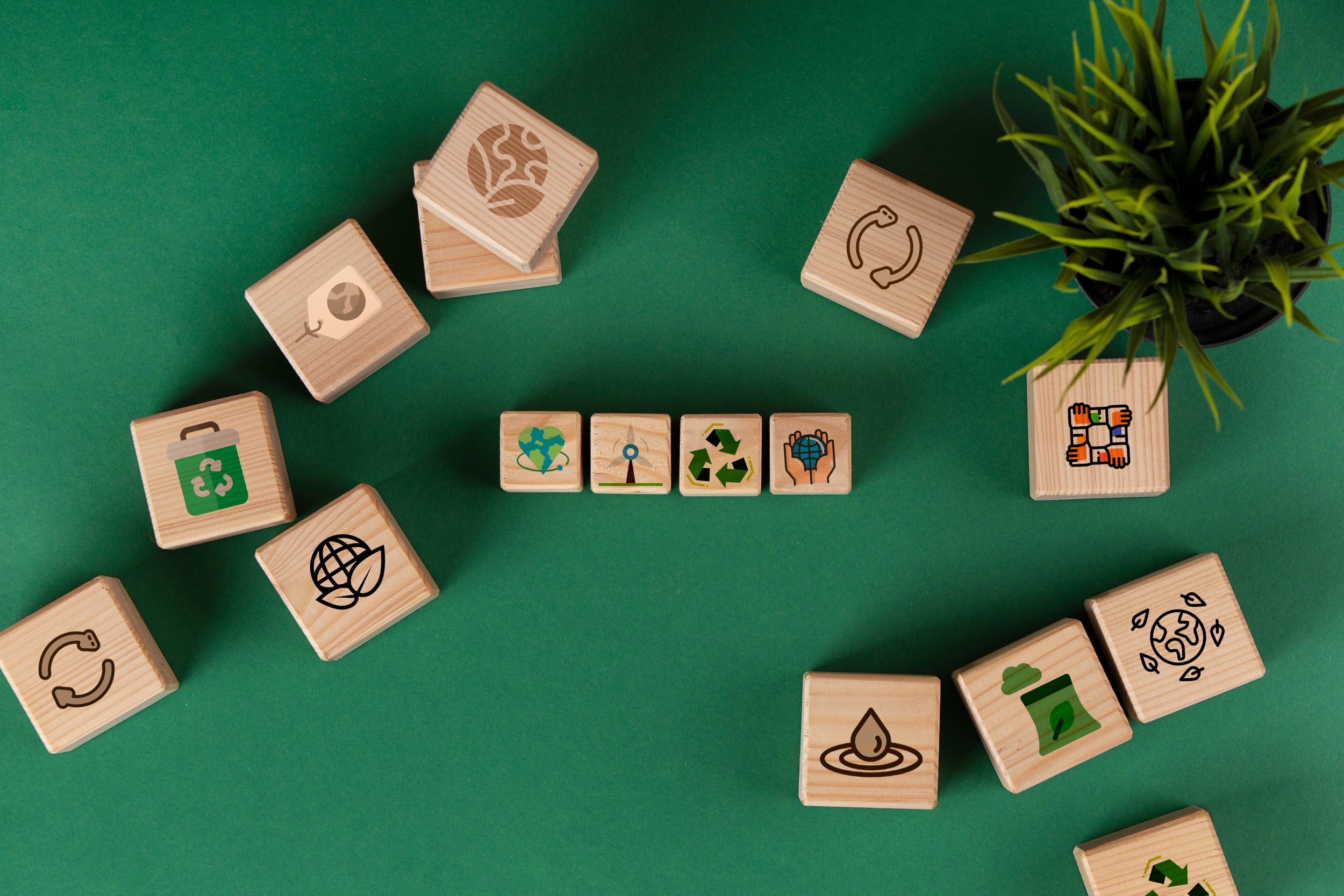
In today’s consumer-driven world, sustainability has evolved from being a buzzword to a fundamental part of corporate responsibility. More than ever, brands are embracing sustainability in branding as a core value, aiming to reduce their environmental impact while still appealing to eco-conscious customers. But is it possible to maintain a stylish, luxurious, or innovative brand identity while adopting green practices? The answer is yes. Brands are proving that eco-friendly branding can coexist with style, sophistication, and innovation. By focusing on sustainable brand practices, companies can strike the perfect balance between going green and staying chic, all while enhancing their brand’s reputation. This blog delves into how businesses can achieve this and explores the green branding strategies that have worked for various forward-thinking companies. Why Sustainability in Branding Matters Consumer Demand: Today’s consumers are more eco-conscious than ever before. Many prefer to support brands that align with their environmental and ethical values. Regulatory Pressures: Governments worldwide are introducing stricter regulations on waste management, emissions, and sustainable practices, making it essential for businesses to adopt sustainable design and manufacturing processes. Long-term Brand Loyalty: Companies with a genuine commitment to eco-friendly branding and sustainability foster long-term relationships with customers who appreciate their ethical stance. Differentiation: In a competitive market, having a green brand identity sets businesses apart from competitors who are not prioritizing sustainability. The Core Pillars of Sustainable Branding Before diving into examples, it’s important to understand the key pillars that drive sustainability in branding. These pillars guide brands in maintaining eco-consciousness while preserving style: Sustainable Design: From product development to packaging, the entire lifecycle of a product should be designed with minimal environmental impact in mind. Ethical Branding: Ethical sourcing, fair labor practices, and community engagement are critical for brands that aim to be socially and environmentally responsible. Sustainable Packaging: Reducing plastic waste and embracing biodegradable, recyclable, or reusable materials are crucial for companies aiming for environmentally friendly branding. Green Marketing: This involves promoting a brand’s sustainability initiatives without greenwashing (making false or exaggerated claims about environmental efforts). Eco-friendly Products: The product itself must be eco-friendly, from sourcing sustainable materials to ensuring that production methods have a minimal carbon footprint. How to Adopt Sustainable Brand Practices Without Compromising on Style 1. Focus on Sustainable Design Brands can embrace sustainable design by incorporating eco-friendly materials and minimizing waste in the production process. However, this doesn’t mean sacrificing aesthetics or product quality. The key is finding sustainable materials that are both environmentally friendly and luxurious or visually appealing. Case Study: Stella McCartney: As a pioneer in sustainable fashion, Stella McCartney has proven that high-end, fashionable products can be made using sustainable materials. The brand avoids leather and instead uses innovative alternatives such as plant-based leather, which looks and feels just as luxurious but is far better for the planet. This commitment to eco-conscious branding hasn’t diminished its fashion-forward image. 2. Use Ethical Branding to Enhance Brand Storytelling Consumers care about more than just the products—they want to know that the company itself is ethical. By embracing ethical branding, brands can weave these values into their marketing and storytelling. Case Study: Veja: The French footwear brand Veja is a great example of ethical branding. The company is committed to using organic cotton, fair-trade rubber, and recycled materials in its production. They also ensure fair wages and safe working conditions for all employees involved in their supply chain. While sustainable, Veja sneakers are known for their sleek design and modern aesthetic, appealing to eco-conscious and fashion-savvy consumers alike. 3. Leverage Sustainable Packaging Packaging is often the first point of contact between the consumer and the product, making it a crucial part of eco-friendly branding. By adopting sustainable packaging, brands can make a significant impact without sacrificing the visual appeal of their products. Case Study: Aether Beauty: Aether Beauty, a clean and sustainable beauty brand, has revolutionized packaging in the beauty industry. The brand’s products are housed in zero-waste packaging, using recycled materials, and they have eliminated mirrors and magnets from their palettes to ensure they are fully recyclable. Despite the focus on sustainability, their packaging design is sleek, modern, and eye-catching, showing that brands don’t have to compromise on aesthetics when adopting sustainable brand practices. 4. Create Eco-friendly Products Offering eco-friendly products that deliver on both sustainability and style is the ultimate goal for modern brands. Today’s consumers don’t want to sacrifice quality or aesthetics for sustainability, and brands that manage to offer both will stand out. Case Study: Coyuchi: This home textiles brand is renowned for its luxurious bedding, towels, and home accessories made from 100% organic cotton and natural fibers. Coyuchi focuses on creating products that are both beautiful and sustainable, promoting a cradle-to-cradle life cycle where products are recycled, composted, or renewed after use. The brand’s sophisticated design and high-quality materials ensure that style is never sacrificed for sustainability. 5. Incorporate Green Marketing Techniques Green marketing plays a crucial role in conveying a brand’s sustainability message. But effective green branding strategies go beyond simply stating that a product is “eco-friendly.” The messaging must be honest, clear, and backed by data, ensuring customers that the brand’s environmental efforts are genuine. Case Study: Allbirds: This footwear brand has integrated green marketing by being transparent about the carbon footprint of each of their products. Their commitment to sustainability is clearly communicated through their website, where they offer detailed insights into their eco-friendly materials, ethical labor practices, and the steps they’re taking to reduce their carbon emissions. How Green Branding Strategies Benefit Your Brand 1. Building a Green Brand Identity A strong green brand identity helps consumers associate your brand with environmental responsibility, ultimately improving brand loyalty. When brands commit to sustainability authentically, they foster a sense of trust and respect with their audience. Example: Grove Collaborative, a personal care and home essentials brand, has built a reputation for sustainability by using eco-friendly products that are cruelty-free, non-toxic, and made with sustainable packaging. Their commitment to reducing plastic waste is a core part of
Storytelling in Marketing: How to Connect with Your Audience

In today’s oversaturated market, consumers are constantly bombarded with advertisements, content, and marketing messages. Amidst the noise, how can your brand truly stand out? The answer lies in storytelling in marketing—the art of crafting a compelling narrative that resonates with your audience on a deeper, emotional level. When done effectively, brand storytelling not only fosters a meaningful connection but also cultivates brand loyalty. In this detailed guide, we will explore how you can harness the power of effective storytelling to engage your customers, create emotional bonds, and, ultimately, drive brand success. Why Storytelling Matters in Marketing Humanizes Your Brand: Storytelling in marketing transforms your brand from a faceless entity into a relatable figure with a personality, values, and a mission. Creates Emotional Connection: People remember stories more than they remember data or statistics. A well-crafted narrative evokes emotions, making consumers feel connected to your brand. Differentiates Your Brand: In a competitive market, brand storytelling can be a key differentiator, allowing you to stand out with a unique identity and voice. Drives Audience Engagement: Consumers today value authenticity and connection over traditional advertising. A strong brand narrative increases audience engagement, turning passive viewers into active participants. The Core Elements of Storytelling in Marketing Every great story contains key components that can be seamlessly incorporated into your content marketing strategies: Characters: Whether it’s the brand itself, customers, or the founders, characters make your story relatable. A relatable protagonist gives your audience someone to connect with. Conflict: The heart of any good story is the conflict, which creates tension and keeps the audience invested. In brand storytelling, this could be a problem your product or service solves for customers. Resolution: The resolution showcases how your brand, product, or service resolves the conflict. It’s the payoff, showing the transformation your customers will experience by engaging with your brand. Emotion: An essential part of emotional marketing is tapping into human feelings like joy, sadness, or even fear. Stories that evoke emotions are far more memorable and effective. Call to Action: After sharing your story, guide your audience on what to do next—whether it’s buying a product, signing up for a newsletter, or engaging with your brand on social media. Storytelling Strategies to Connect with Your Audience To leverage storytelling in marketing effectively, consider adopting the following storytelling strategies: 1. Know Your Audience Understanding your audience’s needs, desires, and pain points is the foundation of a good story. Use this knowledge to create a narrative that speaks directly to them. Use market research, customer feedback, and social media insights to shape a story that aligns with their experiences. Example: Outdoor apparel brand Patagonia uses its deep understanding of its environmentally-conscious audience to create stories focused on sustainability, driving both customer connection and loyalty. 2. Craft a Strong Brand Narrative Your brand narrative is the overarching story that reflects your brand’s mission, values, and identity. Every piece of content should reinforce this narrative. Make sure your brand’s voice remains consistent across all platforms, from social media to emails to advertisements. Case Study: Airbnb uses brand storytelling to position itself as more than a lodging platform. It emphasizes belonging and community, consistently reinforcing its brand identity through storytelling. 3. Leverage Emotional Marketing Emotions drive decision-making. Create stories that make your audience feel something—whether it’s hope, happiness, nostalgia, or even outrage. Emotional marketing is particularly effective in industries like fashion, travel, and entertainment, where consumers’ decisions are often guided by their feelings rather than logic. 4. Visual Storytelling Today’s digital world is driven by visuals. Pair your story with strong visuals to make it more engaging and accessible. Visual storytelling can take many forms, from images to infographics to videos. It helps convey your message quickly and effectively while keeping your audience’s attention. Case Study: GoPro relies heavily on user-generated content to tell authentic stories of adventure and exploration, utilizing visual storytelling to showcase its product in real-world settings. 5. Incorporate User-Generated Content People trust other people more than they trust brands. By incorporating user-generated content (UGC), you allow your audience to become part of your brand’s story. UGC fosters trust and community while providing authentic content for your content marketing strategies. Example: Starbucks’ #WhiteCupContest asked customers to decorate their cups and share their designs. This UGC campaign not only encouraged audience engagement but also became an excellent storytelling tool, featuring real customer stories. Examples of Effective Storytelling in Marketing 1. Warby Parker: Building Brand Loyalty Through Storytelling Warby Parker, the eyewear company, uses storytelling to weave a narrative around accessibility and social responsibility. Their story began with a mission: to provide affordable, stylish glasses while donating a pair for every pair purchased. This narrative has created an emotional bond with their audience, reinforcing their commitment to social good and building lasting brand loyalty. By continuously sharing stories about the impact of their donations and customer experiences, they strengthen customer connection and maintain audience engagement. 2. Nike: Crafting Emotional Marketing Through Athlete Stories Nike has mastered emotional marketing by telling powerful, real-life stories of athletes overcoming adversity. The “Dream Crazy” campaign, featuring Colin Kaepernick, sparked emotional responses across the world. It encouraged people to chase their dreams regardless of obstacles, aligning with Nike’s brand values of determination and resilience. This storytelling strategy allowed Nike to connect deeply with its audience on an emotional level, further solidifying its brand identity through storytelling. 3. TOMS: A Social Impact Narrative TOMS uses storytelling to emphasize its commitment to social responsibility. The company’s “One for One” campaign, where they donate shoes for every pair purchased, has become central to their brand narrative. TOMS continuously shares stories of children in need and how their purchases make a tangible difference. This reinforces their commitment to a greater cause, cultivating brand loyalty among socially-conscious consumers. Through this emotional connection, TOMS creates lasting relationships with its customers, driving audience engagement and repeat purchases. Best Practices for Effective Storytelling in Marketing To ensure your storytelling strategies are successful, keep the following tips in mind: Be Authentic: Authenticity
Brand Loyalty in the Digital Age: Strategies to Keep Customers Engaged

In today’s fast-paced digital world, Brand Loyalty is more critical than ever. With countless brands vying for consumers’ attention, businesses must prioritize Customer Engagement to stand out and build lasting relationships. This blog will explore effective Loyalty Strategies that can help brands maintain Brand Consistency, foster Customer Trust, and ultimately achieve strong Consumer Loyalty in the digital age. The Importance of Brand Loyalty Brand Loyalty refers to the degree of commitment that consumers show towards a brand, often demonstrated through repeat purchases and positive word-of-mouth. In an era where options are endless, fostering Digital Customer Loyalty has become a cornerstone of successful Digital Marketing strategies. Loyal customers not only contribute to steady revenue streams but also become brand advocates, promoting the brand to others. A prime example of this can be seen in Coca-Cola. Coca-Cola has cultivated a loyal customer base by consistently delivering a recognizable product and an exceptional Customer Experience. Their focus on Brand Consistency—from their iconic logo and packaging to their global marketing campaigns—has created a strong emotional connection with their audience. This consistency across all touchpoints has solidified Coca-Cola as a leader in Consumer Loyalty, with millions of customers choosing their brand over competitors time and time again. Strategies for Building Brand Loyalty Customer Engagement: One of the most effective ways to build Brand Loyalty is through consistent and meaningful Customer Engagement. Engaging with customers across various digital platforms allows brands to build relationships, understand customer needs, and address concerns promptly. For example, Starbucks leverages its mobile app to enhance Customer Engagement by offering personalized recommendations, rewards, and exclusive offers, which contribute to Online Brand Loyalty. Loyalty Programs: Implementing effective Loyalty Programs is a tried-and-true method for boosting Customer Retention. Customer Loyalty Programs incentivize repeat purchases by offering rewards, discounts, or exclusive access to products and services. Sephora’s Beauty Insider program is a great example of a successful Loyalty Marketing strategy. By offering points for purchases, birthday gifts, and early access to products, Sephora has created a loyal customer base that feels valued and appreciated. Digital Marketing: In the modern age, Digital Marketing plays a crucial role in maintaining Brand Loyalty. Through targeted campaigns, personalized content, and social media interactions, brands can keep customers engaged and connected. Email marketing, for example, allows brands to send personalized offers and updates directly to customers, reinforcing Customer Trust and encouraging repeat business. Customer Experience: A positive Customer Experience is essential for cultivating Consumer Loyalty. Ensuring that every touchpoint, whether online or offline, provides a seamless and satisfying experience will help build lasting relationships. Amazon excels in this area by offering fast shipping, easy returns, and responsive customer service, all of which contribute to a superior Customer Experience that keeps customers coming back. Brand Consistency: Maintaining Brand Consistency across all channels is key to building Digital Customer Loyalty. This means ensuring that the brand’s message, values, and visual identity remain consistent whether on social media, the website, or in-store. Nike is a prime example of Brand Consistency; their messaging consistently emphasizes empowerment and performance, which resonates with their audience and strengthens Brand Engagement. Customer Trust: Building Customer Trust is fundamental to achieving Brand Loyalty. Trust is earned by consistently delivering on promises, protecting customer data, and providing exceptional service. Transparency and authenticity in communication also play a significant role in fostering Customer Trust. For instance, Patagonia has built a strong reputation for its commitment to sustainability and ethical practices, which has resulted in a loyal customer base that values the brand’s integrity. Loyalty Strategies: Developing and implementing robust Loyalty Strategies can help brands retain customers in the long term. These strategies may include personalized marketing, exclusive offers, and community-building initiatives that encourage repeat business. For example, Coca-Cola’s “Share a Coke” campaign personalized bottles with people’s names, creating a personal connection and driving Brand Engagement. Case Studies: Success Stories in Building Brand Loyalty Amazon Prime: Amazon’s Prime membership program is one of the most successful Customer Loyalty Programs to date. By offering benefits such as free shipping, exclusive deals, and access to streaming services, Amazon has created a value proposition that encourages Customer Retention and Brand Loyalty. Prime members tend to spend more and remain loyal to Amazon, thanks to the consistent value they receive. Tesla: Tesla has built a loyal following through its focus on innovation and sustainability. By delivering cutting-edge electric vehicles and maintaining open communication with customers, Tesla has cultivated a strong sense of Customer Trust and Brand Engagement. The brand’s emphasis on environmental responsibility resonates with its audience, fostering Digital Customer Loyalty. Spotify: Spotify has mastered the art of Customer Engagement through its personalized playlists and music recommendations. By leveraging data to understand user preferences, Spotify creates a personalized Customer Experience that keeps users engaged and loyal to the platform. Their Loyalty Marketing approach, which includes exclusive content and early access to new releases, further strengthens Brand Loyalty. Tips for Maintaining Brand Loyalty in the Digital Age Personalize Your Approach: Personalization is key to building Consumer Loyalty. Tailor your marketing efforts to meet the specific needs and preferences of your audience. This can be achieved through data-driven insights that improve your Digital Marketing strategies. Focus on Value: Ensure that your Loyalty Programs offer real value to customers. This could be in the form of discounts, exclusive access, or additional services that enhance the overall Customer Experience. Engage on Social Media: Social media is a powerful tool for maintaining Online Brand Loyalty. Regularly engage with your audience, respond to feedback, and create content that resonates with your followers to keep them connected to your brand. Consistency is Key: Maintain Brand Consistency across all channels to reinforce your brand’s identity and message. This helps build Customer Trust and ensures that customers have a cohesive experience with your brand. Monitor and Adapt: Continuously monitor the effectiveness of your Loyalty Strategies and be willing to adapt based on customer feedback and changing market conditions. Flexibility and responsiveness are essential in maintaining Brand Loyalty. Conclusion Building and maintaining Brand Loyalty in
Crafting a Lasting Impression: The Art of Brand Redesign

In today’s competitive market, Brand Redesign has become more than just a necessity—it’s an art form. The process of transforming an existing brand into something fresh and relevant requires a deep understanding of Brand Identity, an innovative Rebranding Strategy, and an eye for Visual Branding. Whether it’s a Corporate Rebranding or a simple Brand Image Refresh, the goal remains the same: to create a lasting impression that resonates with the audience. In this blog, we’ll explore the nuances of Brand Redesign, the Redesign Process, and the impact of Modern Brand Design. The Importance of Brand Redesign A well-executed Brand Redesign can breathe new life into a company. It’s about more than just a Logo Redesign; it’s about evolving the entire Brand Identity to reflect changes in the market, company values, or target audience. For example, consider the case of Airbnb. Initially, the company’s branding was functional but lacked personality. Through a thoughtful Brand Transformation that included a new logo, color palette, and overall Visual Branding, Airbnb shifted its image from a simple home rental service to a lifestyle brand focused on community and belonging. This Brand Evolution allowed Airbnb to differentiate itself in a crowded market and build a stronger connection with its users. Key Elements of a Successful Brand Redesign Rebranding Strategy: A successful Brand Redesign starts with a clear and well-defined Rebranding Strategy. This involves understanding the core values of the brand, the needs of the target audience, and the objectives of the redesign. For example, when Burberry decided to undergo a Brand Transformation, the Rebranding Strategy was centered around modernizing the brand while staying true to its British heritage. The result was a blend of tradition and contemporary style that appealed to a younger, global audience. Designing Brand Identity: The next step in the Redesign Process is Designing Brand Identity. This includes elements such as the logo, typography, color schemes, and imagery. The goal is to create a cohesive Brand Identity that aligns with the company’s values and resonates with its audience. A great example of this is when Pepsi undertook a Logo Redesign. The new logo was designed to leverage the mass appeal of nostalgia. Visual Branding: Visual Branding is the face of the brand. It’s what people see and remember. Consistency in Visual Branding ensures that every touchpoint, whether it’s a website, packaging, or social media, reflects the same message. For instance, Apple’s minimalistic and sleek Visual Branding is recognized globally. Their consistent use of white space, simple design, and elegant typography reinforces their brand’s identity as innovative and user-friendly. Brand Consistency: Brand Consistency is crucial in maintaining the integrity of the Brand Identity throughout the Brand Redesign. This means that the new design should be applied consistently across all platforms and materials. Coca-Cola is a prime example of Brand Consistency. Despite minor tweaks over the years, the brand’s core identity has remained the same, allowing it to maintain a strong and recognizable presence worldwide. Creative Branding: Innovation and creativity are at the heart of any successful Brand Redesign. Creative Branding involves thinking outside the box and coming up with unique ways to express the brand’s personality. Tips for an Effective Brand Redesign Understand Your Audience: Before embarking on a Brand Redesign, it’s crucial to understand who your audience is and what they want. A thorough market analysis can provide insights that will guide the Rebranding Strategy. Keep the Core Intact: While Brand Evolution is important, it’s also essential to retain the core elements that make your brand unique. This could be a specific color, font, or logo element that has strong recognition. Test and Iterate: The Redesign Process should include stages of testing and feedback. This ensures that the new Brand Identity resonates with the audience before it’s fully rolled out. Embrace Modern Trends: Modern Brand Design often involves embracing current design trends while ensuring that the design is timeless. This balance is key to creating a Brand Experience that feels fresh yet enduring. Consider the Brand Experience: The new design should enhance the overall Brand Experience. This means thinking about how customers interact with the brand across different touchpoints and ensuring that the experience is consistent and engaging. The Power of Brand Transformation A successful Brand Redesign can lead to a powerful Brand Transformation that elevates the company to new heights. Whether it’s a complete Corporate Rebranding or a subtle Brand Image Refresh, the impact on the business can be significant. Companies like Starbucks and Nike have successfully navigated the Redesign Process, resulting in brands that are not only iconic but also relevant in today’s market. In conclusion, Brand Redesign is both an art and a science. It requires a deep understanding of the brand’s essence, a clear Rebranding Strategy, and the ability to execute a Brand Transformation that resonates with the audience. By focusing on Designing Brand Identity, ensuring Brand Consistency, and embracing Creative Branding, companies can craft a lasting impression that stands the test of time. Whether you’re a startup looking to make your mark or an established company seeking a Brand Evolution, the art of Brand Redesign is a powerful tool for success. SHARE Populer Blogs Sustainability in Branding: How to Go Green Without Sacrificing On Style September 16, 2024 Storytelling in Marketing: How to Connect with Your Audience September 11, 2024 Brand Loyalty in the Digital Age: Strategies to Keep Customers Engaged September 11, 2024 The Power of Strategic Creativity: How Creativity Can Transform Your Marketing Strategy August 12, 2024 UI & UX Design: Best Practices August 12, 2024 SHARE
The Power of Strategic Creativity: How Creativity Can Transform Your Marketing Strategy

In today’s competitive marketplace, businesses must continuously innovate to stand out and connect with their audiences. Strategic Creativity is a powerful tool that can elevate your marketing efforts, transforming ordinary campaigns into memorable experiences. By incorporating Creative Marketing Strategies, businesses can not only capture attention but also foster deeper connections with their customers. This blog explores the impact of Creativity in Marketing and how it can drive success through Transformative Marketing. Understanding Strategic Creativity Strategic Creativity is the deliberate use of creative thinking to solve business challenges and achieve marketing objectives. It’s not just about coming up with flashy ideas; it’s about aligning those ideas with your brand’s goals and ensuring they resonate with your target audience. When Strategic Creativity is applied effectively, it can lead to Marketing Innovation, setting your brand apart from the competition. The Role of Creativity in Marketing Creativity in Marketing is essential for crafting campaigns that engage and inspire. It’s the difference between a generic advertisement and one that sparks conversation, drives action, and builds brand loyalty. By using Creative Campaign Ideas, businesses can create unique and compelling narratives that resonate with their audience on a deeper level. For example, Dove’s “Real Beauty” campaign is a prime example of Creativity in Marketing. Instead of using traditional models, Dove featured real women of all shapes, sizes, and ages, challenging societal norms and redefining beauty standards. This Creative Campaign Idea not only garnered significant media attention but also fostered a stronger connection with consumers by aligning the brand with a message of authenticity and inclusivity. Transformative Marketing Through Innovation Transformative Marketing involves using creative approaches to bring about significant changes in how a brand is perceived and how it engages with its audience. This can be achieved through Innovative Marketing Solutions that push boundaries and challenge conventional thinking. One case study that highlights the power of Transformative Marketing is Nike’s “Just Do It” campaign. Launched in 1988, the campaign used Strategic Creativity to tap into the emotional and motivational aspects of sports, creating a powerful brand message that transcended product promotion. The slogan became a cultural phenomenon, transforming Nike from a niche sportswear company into a global leader in athletic apparel. This is an example of how Creativity-Driven Marketing can drive brand growth and redefine an entire industry. Creative Branding Techniques for Success Creative Branding Techniques are essential for establishing a strong brand identity that resonates with your target audience. By leveraging Branding with Creativity, businesses can create memorable brand experiences that differentiate them from competitors. Consider Apple’s approach to branding. Apple’s use of minimalistic design, combined with powerful storytelling, has created a brand that is synonymous with innovation, quality, and elegance. The company’s consistent use of Creative Branding Techniques has not only set it apart in the technology industry but also fostered a loyal customer base that identifies with the brand’s values and vision. Another example is Coca-Cola’s “Share a Coke” campaign, where the company replaced its iconic logo with popular names on its bottles and cans. This Creative Branding Technique personalized the product, making it more relatable and engaging for consumers. The campaign’s success lies in its ability to connect with people on a personal level, turning a simple product into a meaningful experience. Strategic Marketing Planning with Creativity Effective Strategic Marketing Planning involves integrating creativity into every stage of the process, from ideation to execution. By incorporating Creative Content Strategy and Creative Advertising Strategies into your marketing plan, you can create campaigns that not only capture attention but also drive results. Take Red Bull’s marketing strategy, for example. The brand is known for its Creative Content Strategy, which includes sponsoring extreme sports events, producing adrenaline-pumping videos, and even launching a manned space jump. This approach has allowed Red Bull to create a brand identity that is synonymous with energy, adventure, and pushing limits. By using Creative Advertising Strategies that align with its brand values, Red Bull has successfully positioned itself as more than just an energy drink—it’s a lifestyle brand. Innovative Marketing Solutions for a Changing World In a rapidly changing digital landscape, businesses must continually adapt and innovate to stay relevant. Innovative Marketing Solutions are key to addressing new challenges and seizing emerging opportunities. A notable example of Marketing Innovation is the use of augmented reality (AR) by IKEA. The company’s “IKEA Place” app allows customers to visualize how furniture would look in their homes using AR technology. This Innovative Marketing Solution not only enhances the shopping experience but also helps customers make more informed purchasing decisions. By embracing technology and creativity, IKEA has transformed the way consumers interact with its products, setting a new standard in the retail industry. The Impact of Creativity-Driven Marketing Creativity-Driven Marketing is not just about producing eye-catching ads; it’s about creating meaningful connections with your audience and driving long-term brand loyalty. When done right, Creativity-Driven Marketing can lead to increased customer engagement, higher conversion rates, and a stronger brand reputation. Take Airbnb, for instance. The company’s Creativity-Driven Marketing strategy focuses on storytelling and community building. Through its “Belong Anywhere” campaign, Airbnb used real stories from hosts and guests to highlight the unique experiences and connections that its platform enables. This creative approach helped differentiate Airbnb from traditional hotels and positioned it as a brand that values human connections and authentic experiences. Conclusion: Harnessing the Power of Strategic Creativity In conclusion, the power of Strategic Creativity cannot be overstated. By integrating Creative Marketing Strategies into your overall marketing plan, you can create campaigns that resonate with your audience, drive brand growth, and achieve business objectives. Whether it’s through Creative Branding Techniques, Innovative Marketing Solutions, or Creative Campaign Ideas, the key is to align creativity with your brand’s goals and values. As the examples and case studies in this blog demonstrate, Creativity in Marketing can transform your strategy and elevate your brand to new heights. By embracing Marketing Innovation and incorporating Creative Advertising Strategies into your Strategic Marketing Planning, you can create a brand that not only stands