Video is everywhere. Results aren’t.
Wyzowl has surveyed marketers about video every year for over a decade. Its 2026 report found that 91% of businesses use video as a marketing tool, matching its all-time high. But the share of video marketers reporting a good return fell from 93% in 2025 to 82% in 2026. Over the same period, the share who had used AI video tools to create or edit their videos rose from 51% to 63%.
More video, made faster, with less to show for it. That’s the honest state of video marketing right now. The brands still seeing results aren’t simply making more. They’re making it with more intent.
Win the first few seconds
On a feed, people decide almost immediately whether to keep watching. The opening has to do the work a headline used to do. Start with the most interesting moment, not the logo. Ask the question, show the result or drop the viewer into the middle of something.
Plan for sound off as well as sound on. Assume some viewers will be watching on mute, so burn in captions and make sure the first frames make sense without a voiceover. Shoot vertical first for social, since that’s how the phone is held.
Strong video engagement starts here. No amount of great content in the middle saves a video people swipe past in the first second. Every short-form video has the same job: earn the next three seconds, then the next.
Short-form isn’t one length any more
The old advice was to keep everything to 15 or 30 seconds. The platforms have moved on. YouTube expanded Shorts to three minutes in October 2024, and Instagram followed in January 2025, raising the Reels limit from 90 seconds to three minutes and switching profile grids to a vertical format.
That doesn’t mean every video should run three minutes. In Wyzowl’s 2026 survey, 71% of marketers said videos between 30 seconds and two minutes work best for general marketing. The right length is the one the idea needs. A product reveal might take ten seconds. A founder explaining a decision might need two minutes.
Treat short-form video as a range, not a rule, and let the story decide. That flexibility is one of the bigger shifts in video marketing in years.
Think in series, not one-offs
One-off videos have to win attention from scratch every time. A series builds it up. When people know what to expect from a recurring format (a weekly tip, a look behind the scenes, a customer question answered on camera), they start coming back for it.
A good video content strategy usually rests on two or three repeatable formats rather than an endless stream of new ideas. Formats are easier to produce, easier to recognise in a feed and easier to improve, because you can compare one episode with the last. Series suit short-form video especially well: each episode stays tight while the format carries the familiarity. It also keeps video marketing sustainable for small teams who can’t reinvent everything every week.
Put people on camera
Behind-the-scenes footage still works for the same reason it always did: it shows the people, process and care behind a product. What’s changed is how central it has become. Founders explaining decisions, makers at work and team members answering real questions often feel more trustworthy than a polished brand film.
It doesn’t need a big production. It needs someone who knows the subject, a clear point and decent sound. Building this into your video content strategy gives a brand a face, and people tend to follow faces more readily than logos.
Let customers and creators tell it
Videos made by customers and creators carry a kind of proof that brand-made content can’t. Encourage customers to share their own clips, feature the best ones with permission and always credit them.
With creators, choose people whose audience genuinely overlaps with yours, and whose style you’re happy to let lead. A creator’s value is their voice, so a tight script that makes them sound like an ad wastes it. Always make paid partnerships clear; audiences notice when they’re not.
Don’t treat sound as an afterthought
Captions cover viewers on mute, but sound still shapes how a video feels for everyone else. Clean voice recording matters more than an expensive camera. Music and sound design set the mood and the pace, and a recognisable sonic cue can become part of a brand over time.
Make sure the audio supports the story rather than covering for a weak one, and check that any music you use is licensed for commercial use.
Use AI to scale, not to replace
AI video tools have made editing, captioning, resizing and versioning much faster. Used well, they free up time for the parts that need human judgement: the idea, the casting, the edit that gives a video its rhythm.
They’ve also opened up reach. In October 2025, Meta expanded its AI translation for Reels to Hindi and Portuguese, alongside English and Spanish, letting creators dub their videos in their own voice with optional lip-sync. It’s free for public Instagram accounts in countries where Meta AI is available. YouTube has been building its own auto-dubbing, with lip-sync improvements across 20 languages. For brands with customers in more than one country, a single video can now travel much further.
The risk is sameness. When everyone uses the same AI video tools with the same defaults, feeds fill up with videos that look alike. Use AI for speed and scale, and keep the creative decisions human.
Make video work beyond social
Social feeds aren’t the only place video earns its keep. A short clip on a product page answers questions a photo can’t. An explainer on a homepage can replace three paragraphs of copy. A case study video can do more in a sales conversation than a PDF.
Interactive and shoppable formats are worth testing where your platforms support them. Imagine a skincare video where viewers pick their skin type at the start and the video branches into tips and products for their needs. Or a styling video where every item on screen can be tapped and bought. Done well, these turn video marketing from something people watch into something they use.
Measure what actually matters
Views tell you how many people saw the start of a video. They don’t tell you much else. Better signals of video engagement include:
- Retention: how long people watch, and where they drop off
- Completion rate: how many reach the end
- Shares and saves: whether people found it worth passing on or coming back to
- Comments: what people are actually saying
- Actions: the clicks, enquiries or sales a video led to
Look at drop-off points across several videos, not just one. If people keep leaving at the same moment, that’s a pattern to fix. Feed what you learn back into your video content strategy, and your video marketing gets sharper with every round. Over time, rising video engagement is the clearest sign the strategy is working.
Frequently asked questions
What is video marketing?
Video marketing is the use of video to promote a brand, product or service, whether on social media, websites, ads, email or in sales conversations.
How long should a marketing video be?
As long as the idea needs. Instagram Reels and YouTube Shorts both allow up to three minutes, and many marketers find 30 seconds to two minutes works best for general use. Whatever the length, a short-form video has to earn attention in its first few seconds.
How do I increase video engagement?
Hook viewers early, add captions, build recurring formats, put real people on camera and track retention rather than views. Small, consistent improvements to video engagement add up over time.
Should brands use AI video tools?
Yes, for speed and reach: editing, captions, resizing, translation and dubbing. Keep the idea, the story and the final edit human, or your videos will start to look like everyone else’s. AI video tools work best as assistants, not authors.
What should a video content strategy include?
Clear goals, two or three recurring formats, the platforms you’ll focus on, a realistic production rhythm and the metrics you’ll judge success by. A video content strategy should be simple enough that your team can actually keep up with it.
Fewer videos, better ones
Engagement doesn’t come from posting more. It comes from a video that opens well, says something specific and gives people a reason to come back.
At Meraki Design Studio, we provide comprehensive video services from pre-production to post-production, shaped by a clear video content strategy from the start. If that’s something your brand is looking for, see our work or start a conversation.
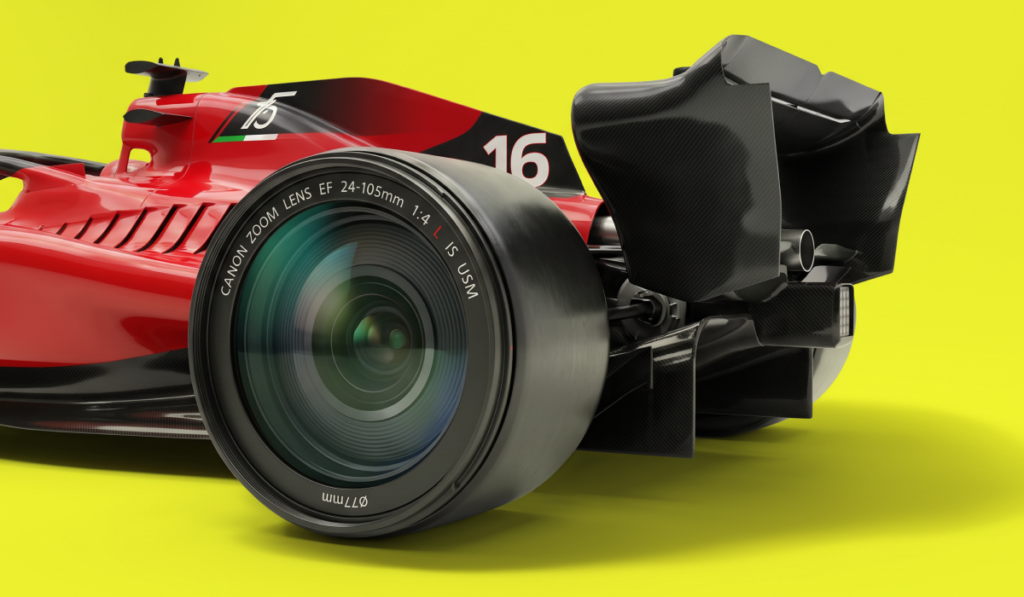 How To Use Video Marketing To Boost Engagement

 The Power of Strategic Creativity: How Creativity Can Transform Your Marketing Strategy
 Crafting a Lasting Impression: The Art of Brand Redesign